Understanding Tissue Box Icons: A Simple Line Element for Modern Design
Tissue box icons are a versatile and essential element in the world of design, particularly in web and graphic design. These simple line elements serve as a recognizable symbol, making them perfect for templates, web design, and infographics. In this article, we'll explore the purpose, significance, and practical uses of tissue box icons, along with their relevance in modern life and work.
What is a Tissue Box Icon?
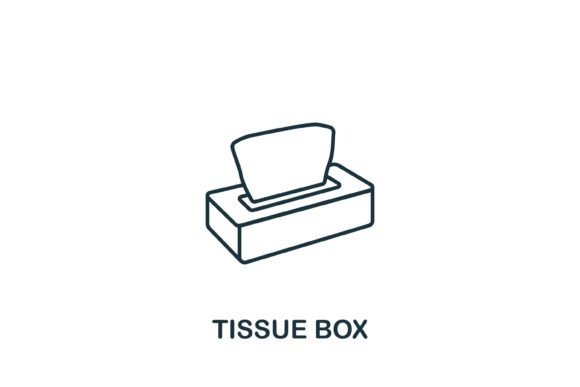
A tissue box icon is a minimalist, line-based representation of a tissue box. This type of icon is designed to be easily recognizable and visually appealing, making it an ideal choice for various design applications. The simplicity of the line element allows for easy integration into different styles and themes, while still maintaining its core identity.
The Purpose and Significance of Tissue Box Icons
Tissue box icons serve several important purposes:
- Visual Clarity: They provide a clear and concise visual cue, making them perfect for indicating the presence of tissues or related products.
- Universal Recognition: The familiar shape of a tissue box is universally recognized, making the icon easily understandable across different cultures and languages.
- Versatility: These icons can be used in a wide range of design contexts, from web interfaces to print materials, enhancing the overall user experience.
Practical Relevance in Modern Life and Work
Tissue box icons have become increasingly relevant in both personal and professional settings. Here’s how they fit into modern life and work:
- Web Design: In e-commerce websites, tissue box icons can be used to highlight product categories, making it easier for customers to find what they need. For example, a health and wellness store might use a tissue box icon to direct users to the section for cold and flu supplies.
- Infographics: In educational and informational infographics, these icons can help break down complex data into more digestible and visually appealing formats. For instance, a health-related infographic might use a tissue box icon to represent the importance of hygiene during flu season.
- Business Presentations: In corporate presentations, tissue box icons can be used to illustrate points about office supplies, cleanliness, or even as a metaphor for problem-solving (e.e., "cleaning up" issues).
- Educational Materials: In school and training materials, these icons can help students and trainees quickly identify sections related to health, hygiene, or first aid.
Common Misunderstandings and Clarifications
While tissue box icons are generally straightforward, there are a few common misunderstandings that can arise:
- Overuse: Using too many icons can clutter a design and reduce its effectiveness. It's important to use icons judiciously and only when they add value to the content.
- Contextual Relevance: Not all designs or contexts may benefit from a tissue box icon. It’s crucial to consider the specific needs and audience of your project before incorporating such elements.
- Customization: While the basic shape of a tissue box is universal, the style and details can vary. Customizing the icon to match the overall design aesthetic is key to maintaining a cohesive look.
How to Use and Edit Tissue Box Icons
When you purchase or download a tissue box icon, you typically receive multiple file formats, including EPS, JPG, AI, and SVG. Each format has its own advantages:
- .EPS (Encapsulated PostScript): Ideal for vector graphics, allowing for scalable, high-quality prints without losing resolution.
- .JPG (Joint Photographic Experts Group): Suitable for web and screen-based applications where a raster image is needed.
- .AI (Adobe Illustrator): Perfect for editing and customizing the icon using Adobe Illustrator, a popular vector graphics editor.
- .SVG (Scalable Vector Graphics): Highly versatile, especially for web use, as it can be scaled to any size without losing quality and is supported by most modern browsers.
To edit and use these icons effectively, follow these steps:
- Select the Right Format: Choose the file format that best suits your project. For print, .EPS or .AI are preferable, while .JPG or .SVG are better for web and digital use.
- Edit in a Vector Editor: Open the .AI or .EPS file in a vector editor like Adobe Illustrator to make any necessary adjustments. You can change colors, add or remove elements, and scale the icon to fit your design.
- Export for Web or Print: Once edited, export the icon in the appropriate format. For web, use .SVG or .JPG, and for print, use .EPS or .AI.
- Integrate into Your Design: Insert the edited icon into your design, whether it’s a website, infographic, or presentation. Ensure it aligns well with the overall theme and enhances the user experience.
Conclusion
Tissue box icons are a simple yet powerful tool in the designer’s toolkit. Their versatility, recognizability, and ease of use make them an excellent choice for a wide range of applications. By understanding their purpose, significance, and practical uses, you can effectively incorporate these icons into your projects, enhancing both form and function. Whether you’re designing a website, creating an infographic, or preparing a business presentation, a well-placed tissue box icon can make a significant impact.