The Versatility and Importance of Halal Food Icons in Modern Design
In today's interconnected world, the Halal Food Icon has become an essential element in design, particularly for businesses and creators who aim to cater to diverse audiences. This simple yet powerful symbol is not just a graphic; it's a clear and respectful way to indicate that a product or service adheres to halal standards, which are increasingly important in both local and global markets.
Understanding the Halal Food Icon
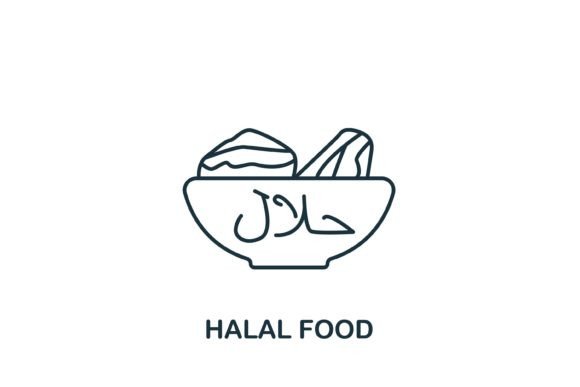
The Halal Food Icon is a simple line element symbol designed for use in templates, web design, and infographics. It serves as a visual cue that a particular food item or establishment meets the dietary requirements of those following halal practices. The icon is typically presented in a minimalist style, making it easy to integrate into various design projects without overwhelming the overall aesthetic.
Why the Halal Food Icon Matters
As the global population becomes more diverse, there is a growing need for businesses to be inclusive and sensitive to different dietary restrictions. The Halal Food Icon plays a crucial role in this context. It helps consumers quickly identify products and services that align with their values, thereby building trust and loyalty. For businesses, using this icon can open up new market segments and enhance their brand reputation.
Evolution and Relevance in Modern Times
The concept of halal certification has been around for centuries, but its representation in modern design is a relatively recent development. As digital communication and e-commerce have expanded, the need for clear, universally understood symbols has grown. The Halal Food Icon has evolved to meet these demands, becoming a standard in the design industry for its clarity and simplicity.
Current Trends and Changing Habits
One of the most significant trends influencing the use of the Halal Food Icon is the increasing awareness and adoption of halal diets. This trend is not limited to Muslim communities; many non-Muslims also seek out halal-certified products due to their high quality and ethical standards. As a result, businesses across various sectors, from food and beverage to cosmetics and pharmaceuticals, are incorporating the Halal Food Icon into their branding and marketing strategies.
Practical Implications for Users and Creators
For users, the Halal Food Icon provides a quick and reliable way to make informed choices. It eliminates the need for extensive research and ensures that they can easily find products that meet their dietary needs. For creators, the icon offers a versatile and professional design element that can be seamlessly integrated into a wide range of projects.
Ease of Use and Flexibility
The Halal Food Icon is available in multiple file formats, including EPS, JPG, AI, and SVG. This variety makes it incredibly easy to edit and use in different design environments. Whether you are working on a website, a brochure, or a social media campaign, the icon can be resized and customized to fit your specific needs without losing quality.
Real-World Applications and Examples
Restaurants and food chains are among the most common adopters of the Halal Food Icon. By prominently displaying the icon on menus, signage, and online platforms, they can attract a broader customer base and demonstrate their commitment to inclusivity. Similarly, food packaging companies use the icon to clearly label products, ensuring that consumers can make quick and confident purchasing decisions.
Business Needs and Market Preferences
From a business perspective, the Halal Food Icon is a valuable asset. It helps in building a positive brand image and can lead to increased sales and customer satisfaction. In a competitive market, where consumers are more discerning than ever, the icon can be a key differentiator. Additionally, it supports compliance with regulatory requirements in many countries, further enhancing the credibility of the brand.
Conclusion: Embracing the Halal Food Icon
The Halal Food Icon is more than just a symbol; it's a tool for fostering inclusivity, trust, and transparency. As the world continues to embrace diversity and ethical consumption, the importance of such icons will only grow. For designers, marketers, and business owners, integrating the Halal Food Icon into their work is a strategic move that can yield significant benefits. By doing so, they not only meet the needs of a diverse audience but also contribute to a more inclusive and responsible marketplace.