Integrating the Allergy Card Icon into Your Design Workflow
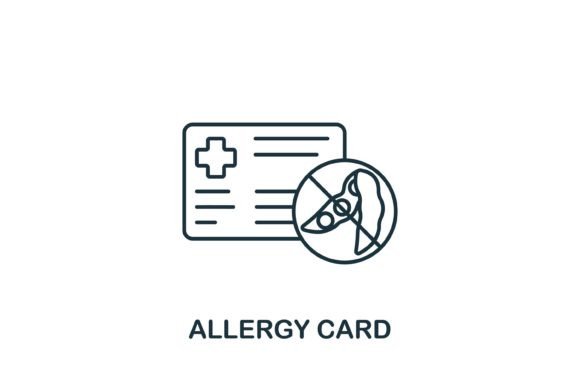
The Allergy Card Icon is a versatile and essential tool for designers, marketers, and content creators. This simple line element allergy symbol is perfect for templates, web design, and infographics, offering a clear and recognizable visual cue for allergy-related information. Available in EPS, JPG, AI, and SVG file formats, this icon is easy to edit and use, making it a valuable asset in any project.
Understanding the Allergy Card Icon
The Allergy Card Icon is a minimalistic yet effective symbol designed to represent allergy information. Its simplicity makes it highly adaptable, fitting seamlessly into various design contexts. Whether you are creating a website, designing a brochure, or developing an infographic, this icon can enhance the clarity and impact of your message.
Where to Use the Allergy Card Icon
The Allergy Card Icon is particularly useful in projects where allergy information needs to be clearly communicated. Here are some common use cases:
- Web Design: Incorporate the icon into food-related websites, health portals, and e-commerce platforms selling allergen-free products.
- Print Materials: Use the icon in brochures, flyers, and product packaging to highlight allergy warnings and information.
- Infographics: Add the icon to educational infographics to visually represent allergy statistics and data.
Preparing for Integration
Before integrating the Allergy Card Icon into your project, consider the following steps to ensure a smooth and effective implementation:
- Define the Purpose: Clearly define why you need the Allergy Card Icon. Is it for a specific section, a call-to-action, or a general informational purpose?
- Select the Format: Choose the appropriate file format (EPS, JPG, AI, SVG) based on your project's requirements and the platform you are using.
- Check Compatibility: Ensure that the chosen format is compatible with your design software and the final output medium (web, print, etc.).
Practical Implementation Tips
Here are some practical tips to help you integrate the Allergy Card Icon effectively into your design workflow:
- Consistent Styling: Maintain consistent styling across all instances of the icon. Use the same color scheme, size, and placement to ensure uniformity and professionalism.
- Accessibility: Make sure the icon is easily visible and accessible. Use high-contrast colors and adequate size to ensure it stands out, especially in web and mobile designs.
- Contextual Clarity: Provide clear and concise labels or text alongside the icon to avoid any ambiguity. This is crucial for users who may not be familiar with the symbol.
- Regular Updates: Keep the icon updated with the latest design standards and accessibility guidelines. Regularly review and update the icon to maintain its relevance and effectiveness.
- User Feedback: Gather feedback from users and stakeholders to see how the icon is being received and if any adjustments are needed. This can help you fine-tune the icon for better usability and clarity.
- Documentation: Document the usage and guidelines for the Allergy Card Icon. This will help future designers and content creators understand how to use the icon correctly and consistently.
Workflow Examples
Let's explore a few workflow examples to see how the Allergy Card Icon can be integrated into different types of projects:
Website Design
In a website design, you might use the Allergy Card Icon to highlight allergy information in a restaurant menu. Place the icon next to menu items that contain common allergens, such as nuts or gluten. This not only enhances the user experience but also ensures that customers with allergies can make informed choices.
Brochure Design
For a brochure, the Allergy Card Icon can be used to draw attention to important allergy information. Place the icon prominently on the cover or in a dedicated section within the brochure. Use a consistent style and color scheme to maintain a professional look.
Infographic Creation
When creating an infographic, the Allergy Card Icon can be used to visually represent data points related to allergies. For example, you might use the icon to show the prevalence of different types of allergies in a population. This makes the data more engaging and easier to understand at a glance.
Quality Control and Long-Term Use
To ensure the Allergy Card Icon remains a valuable and effective tool in your design toolkit, consider the following quality control and long-term use practices:
Conclusion
The Allergy Card Icon is a powerful and versatile tool that can significantly enhance the clarity and impact of your design projects. By following the preparation, integration, and quality control tips outlined in this article, you can seamlessly incorporate the icon into your workflows and ensure it adds value to your projects. Whether you are working on a website, brochure, or infographic, the Allergy Card Icon is a valuable asset that can help you communicate allergy information effectively and professionally.